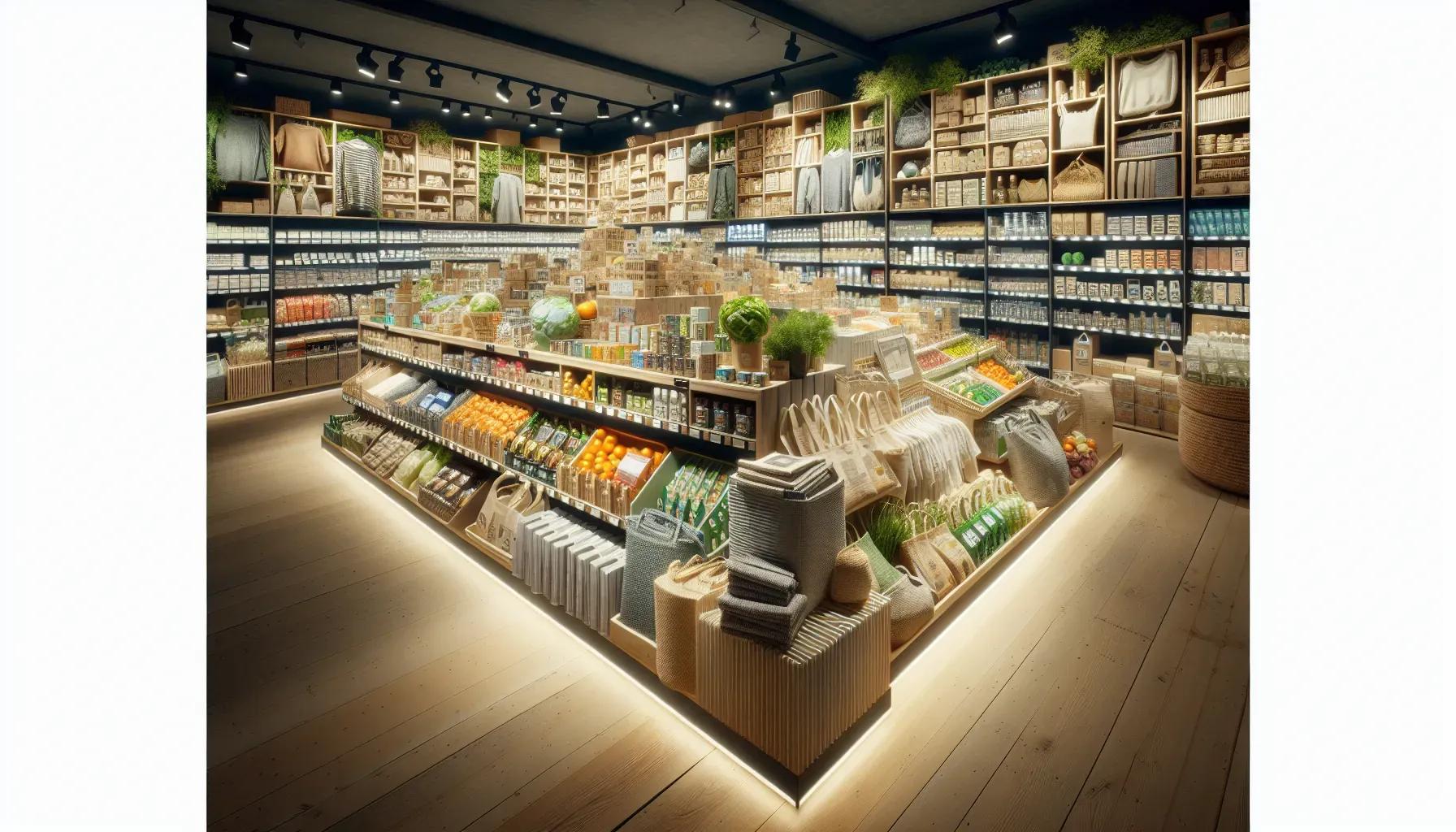

The retail sector is undergoing a significant transformation, with sustainability at the forefront of this change. This blog post will delve into the importance of sustainability in the retail sector, exploring how businesses are adapting to this new paradigm and the benefits they're reaping as a result. We will also discuss the challenges faced in this transition and how they can be overcome.
The Rising Importance of Sustainability in Retail
Sustainability is no longer a buzzword in the retail sector; it's a necessity. Consumers are becoming increasingly conscious of their environmental impact, and they expect the businesses they patronize to share this concern. This shift in consumer behavior is driving retailers to adopt sustainable practices in their operations.
Adopting sustainable practices is not just about appeasing consumers. It's also about future-proofing businesses. Climate change and resource scarcity are real threats that businesses need to address. By adopting sustainable practices, retailers can mitigate these risks and ensure their long-term viability.
However, transitioning to sustainable practices is not without its challenges. Retailers need to balance their sustainability goals with their financial objectives. They also need to navigate the complex regulatory landscape around sustainability. Despite these challenges, many retailers are successfully making the transition and reaping significant benefits.
How Retailers are Embracing Sustainability
Retailers are embracing sustainability in various ways. Some are focusing on reducing their carbon footprint by optimizing their supply chains and using renewable energy sources. Others are minimizing waste by adopting circular economy principles. Many are also investing in sustainable products and materials.
One of the most effective ways retailers are embracing sustainability is through their supply chains. By optimizing their supply chains, retailers can reduce their carbon footprint and save costs. This involves sourcing locally where possible, using energy-efficient transportation, and minimizing waste in the production process.
Another way retailers are embracing sustainability is by adopting circular economy principles. This involves designing products to be reused or recycled, rather than discarded at the end of their life. By doing this, retailers can minimize waste and create a closed-loop system where resources are continually reused.
The Benefits of Sustainability in Retail
The benefits of sustainability in retail are manifold. For one, it can enhance a retailer's brand image. Consumers are increasingly choosing brands that align with their values, and sustainability is a key value for many. By adopting sustainable practices, retailers can attract these consumers and build a loyal customer base.
Sustainability can also lead to cost savings. By optimizing their supply chains and reducing waste, retailers can save on costs. These savings can then be passed on to consumers in the form of lower prices, further enhancing the retailer's competitive advantage.